Introduction to Coffee Beans
If you’re a coffee lover, you’ve probably heard the terms Arabica and Robusta tossed around while browsing café menus or bags of beans at the grocery store. But have you ever stopped to wonder what those words really mean? They’re not just fancy marketing labels—they actually tell you a lot about what you’re drinking, from flavor to caffeine content to overall quality. Coffee, after all, is more than just a morning ritual; it’s a global obsession, and the bean variety you choose makes a huge difference in your cup.
Most people don’t realize that over 60% of the coffee produced worldwide comes from Arabica beans, while Robusta makes up most of the rest. These two types dominate the market, but they couldn’t be more different when it comes to taste and growing conditions. Arabica is often seen as the “luxury” choice—smooth, aromatic, and full of complex flavors—while Robusta is the workhorse, strong and bitter, often used in instant coffee or espresso blends for that extra caffeine kick.
To truly appreciate your next brew, it’s worth understanding where these beans come from, how they differ, and why they matter. By the end of this guide, you’ll not only be able to taste the difference but also know which one fits your lifestyle and flavor preference. Let’s dig into the story of Arabica and Robusta—the two giants of the coffee world.
Why Coffee Bean Types Matter
You might be thinking, “Does it really matter what type of coffee bean I drink?” The short answer: yes, absolutely! Think of it like wine—there’s red and white, and each comes from different grapes with distinct characteristics. The same goes for coffee beans.
The type of bean you brew influences:
- Taste: Arabica tends to be smoother, sweeter, and more nuanced, while Robusta is bolder, stronger, and often bitter.
- Caffeine kick: Robusta contains nearly double the caffeine of Arabica, which is why it’s favored by people who want a strong wake-up punch.
- Price tag: Arabica is usually more expensive because it’s harder to grow and more in demand, whereas Robusta thrives in harsher climates and costs less.
- Brewing purpose: High-end cafés usually highlight Arabica, while Robusta often sneaks into espresso blends or instant coffee.
Understanding bean types also makes you a smarter shopper. Instead of just grabbing the cheapest bag, you can pick beans based on what you want out of your cup—smooth sipping on a Sunday morning, or a hardcore jolt of energy before work.
Simply put, knowing the difference between Arabica and Robusta helps you enjoy coffee on a deeper level. You’ll not only taste the flavors more vividly but also connect with the story behind your brew.
Brief History of Coffee Cultivation
The story of coffee starts centuries ago, and like many legends, it has a colorful origin. According to one popular tale, a goat herder named Kaldi in Ethiopia discovered coffee around the 9th century when he noticed his goats becoming unusually energetic after eating red cherries from a certain plant. Curious, he tried them himself, and the rest, as they say, is history.
From Ethiopia, coffee cultivation spread to the Arab world, where it became a cultural staple, especially in places like Yemen. By the 15th and 16th centuries, coffeehouses—called qahveh khaneh—began popping up across the Middle East, serving as lively hubs for conversation, music, and even political debate.
Arabica coffee was the first to dominate trade and spread across the globe. By the time European colonists reached Africa and Asia, they began cultivating Arabica on a large scale in colonies like Java (Indonesia) and Latin America. However, as demand grew, another species—Robusta—was introduced from central Africa. Unlike Arabica, Robusta was resistant to diseases and pests, and it thrived in lower altitudes and hotter climates where Arabica struggled.
This history explains why today, Arabica is strongly tied to specialty, high-altitude coffee farms in Latin America, while Robusta is grown more widely in Africa, Vietnam, and parts of Southeast Asia. Each bean has its unique place in the global coffee story, shaped by centuries of cultivation, trade, and cultural tradition.
So next time you sip your morning brew, remember: you’re drinking centuries of history in every cup.
Understanding Arabica Coffee
Arabica coffee, scientifically known as Coffea arabica, is often considered the “queen” of coffee beans. It makes up about 60-70% of global coffee production, and for good reason—it’s smoother, sweeter, and more refined than most alternatives. But what makes Arabica so special? Let’s break it down.
Origin and Growing Regions
Arabica traces its roots back to the highlands of Ethiopia, often called the birthplace of coffee. From there, it spread to Yemen and eventually to Latin America, where some of the world’s most famous Arabica farms still operate today.
Arabica thrives best in cooler climates, typically between 2,000 to 6,000 feet above sea level. You’ll find it flourishing in countries like Colombia, Brazil, Ethiopia, and Costa Rica. High altitudes and cooler temperatures slow down the bean’s growth, allowing it to develop more complex sugars and flavors—a key reason Arabica tastes so good.
Characteristics of Arabica Beans
Arabica beans are oval-shaped with a curved crease down the middle. They’re generally larger and more delicate compared to Robusta beans. Taste-wise, Arabica is known for its smooth body, higher acidity, and layers of flavor that can range from fruity and floral to chocolatey and nutty, depending on where it’s grown.
Why Arabica is Considered Premium
Arabica is harder to cultivate than Robusta. It’s sensitive to pests, diseases, and climate conditions, which makes farming riskier and more expensive. This difficulty in production adds to its premium reputation. Consumers, however, are willing to pay more because Arabica offers a sophisticated cup that caters to coffee connoisseurs looking for depth and variety in flavor.
When you walk into a specialty café and see a single-origin coffee being highlighted, nine times out of ten, it’s Arabica. It’s the bean that defines quality for much of the coffee industry.

Understanding Robusta Coffee
Robusta, scientifically named Coffea canephora, is the other heavyweight in the coffee world. It might not get the same glamorous reputation as Arabica, but it plays an equally important role in global coffee culture. In fact, Robusta makes up about 30-40% of world coffee production, with Vietnam leading as the largest producer.
Origin and Growing Regions
Robusta originates from central and western sub-Saharan Africa. Unlike Arabica, which needs cool, high-altitude climates, Robusta grows well in lowland, hotter, and more humid environments. Today, it’s widely cultivated in Africa, Vietnam, Indonesia, and India.
Characteristics of Robusta Beans
Robusta beans are smaller, rounder, and more robust (hence the name) than Arabica beans. They’re highly resistant to pests and diseases, which makes them easier and cheaper to cultivate.
Flavor-wise, Robusta is bolder and more bitter, often described as having earthy, woody, or even nutty notes. It contains nearly double the caffeine of Arabica, which adds to its bitterness but also makes it a powerful pick-me-up.
Common Uses of Robusta Coffee
Robusta isn’t usually the star of the show in specialty cafés, but it’s essential in many other areas of the coffee market:
- Espresso blends: Robusta is often mixed with Arabica to create a strong crema and add body to espresso shots.
- Instant coffee: Because it’s cheaper and stronger, Robusta is widely used in instant coffee production.
- High-caffeine blends: For people who want an energy kick, Robusta provides that extra punch.
While Arabica may win in taste tests, Robusta holds its own as a dependable, high-caffeine, and budget-friendly bean. For those who value strength over sweetness, Robusta might just be the better fit.
Key Differences Between Arabica and Robusta
When comparing Arabica and Robusta, it helps to break down the differences into clear categories. While both beans come from the Coffea plant, their growing conditions, taste profiles, and even market values set them worlds apart. Think of Arabica and Robusta like two siblings—related but with completely different personalities.
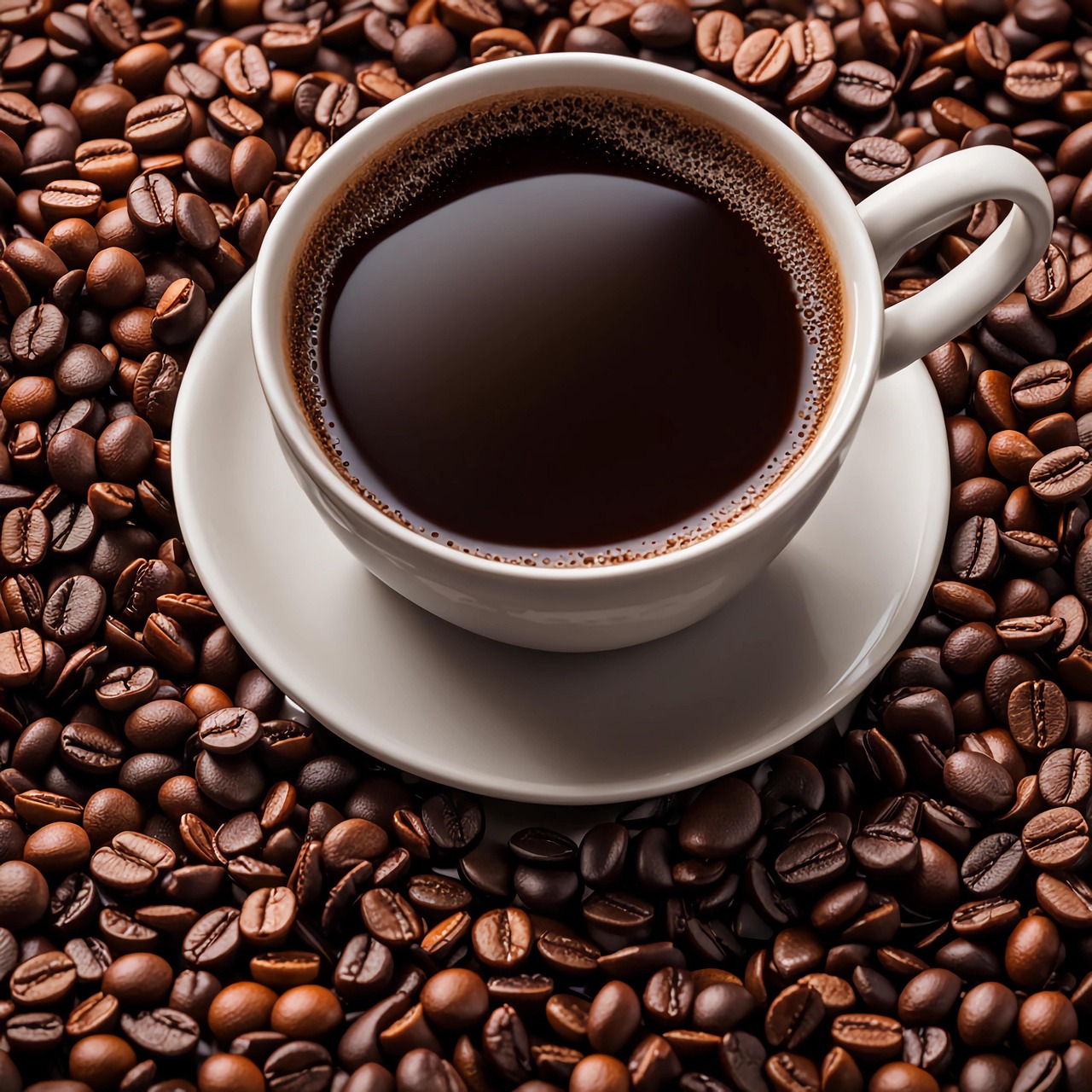
Flavor Profile Comparison
One of the biggest reasons people care about the difference between Arabica and Robusta is taste. Arabica offers a smoother, more refined cup with subtle notes that can range from fruity and floral to nutty and chocolaty. Many describe it as sweet, with a pleasant acidity that makes it refreshing and complex.
Robusta, on the other hand, is much bolder and earthier. Some drinkers find it bitter, with flavors described as woody, grainy, or even rubbery in lower-quality beans. However, good-quality Robusta can bring a deep, chocolatey richness and a strong punch that complements espresso blends beautifully.
In short:
- Arabica = smooth, nuanced, sweet, complex
- Robusta = bold, bitter, earthy, strong
Caffeine Content
If caffeine is your main priority, Robusta takes the crown. It contains nearly twice as much caffeine as Arabica. On average:
- Arabica beans: 1.2% caffeine content
- Robusta beans: 2.2–2.7% caffeine content
This higher caffeine content not only gives Robusta its stronger kick but also acts as a natural pesticide, helping the plant survive in harsher conditions.
Acidity and Sweetness
Arabica is known for higher acidity, which translates to a brighter and more vibrant cup. That’s why Arabica often surprises drinkers with fruity, wine-like notes. Robusta has lower acidity, which makes it taste heavier and sometimes more bitter.
Price and Market Demand
Arabica’s delicate growing conditions, longer maturation period, and refined flavor make it the more expensive bean. Specialty coffee shops almost always feature Arabica, often proudly labeling it on packaging. Robusta, being cheaper and easier to grow, is more common in instant coffee, commercial blends, and lower-priced supermarket brands.
In essence: Arabica is the luxury sedan—smooth, comfortable, and pricey—while Robusta is the pickup truck—rugged, powerful, and practical. Both have their place, depending on what you’re looking for.
Taste Test: Arabica vs Robusta
So what actually happens when you brew these beans? Let’s look at how each performs in the cup.
How Arabica Tastes in the Cup
Arabica coffee is loved for its wide range of flavors. Depending on the region it’s grown in, Arabica can surprise you with fruity undertones, floral hints, nutty sweetness, or chocolaty depth. It’s the kind of coffee you sip slowly, appreciating the complexity with each mouthful. For people who enjoy black coffee without sugar or cream, Arabica is the obvious choice because it doesn’t overpower the palate.
How Robusta Tastes in the Cup
Robusta, on the other hand, packs a punch. It’s often described as bold, heavy, and sometimes harsh. While some might dismiss it as too bitter, Robusta shines in specific brewing methods—especially espresso. A shot of espresso with Robusta in the blend has a stronger body and a thick crema (that golden foam on top of the shot). Robusta’s strength also means it holds up well when mixed with milk and sugar, making it perfect for cappuccinos, lattes, and instant coffee.
Blending Arabica and Robusta for Balance
Interestingly, some of the world’s best espresso blends combine both Arabica and Robusta. Arabica brings the sweetness and aroma, while Robusta adds crema, caffeine, and strength. For instance, traditional Italian espresso often uses 70% Arabica and 30% Robusta.
This blend offers the best of both worlds: smoothness with a punch. It’s like mixing fine chocolate with a shot of dark whiskey—you get complexity and power in one sip.
Health Benefits of Arabica vs Robusta
Coffee isn’t just about taste—it’s also about how it makes you feel. Both Arabica and Robusta offer health benefits, thanks to antioxidants, caffeine, and essential nutrients. But each has unique advantages.
Arabica’s Health Edge
Arabica contains less caffeine, which is a plus for those sensitive to jitters or insomnia. It’s also rich in antioxidants, which help fight free radicals in the body. Studies suggest that moderate Arabica consumption can improve heart health, reduce the risk of type 2 diabetes, and even support brain function.
Since Arabica is smoother and less bitter, people tend to drink it black without adding sugar or cream—making it a healthier choice overall.
Robusta’s Health Edge
Robusta, with its higher caffeine content, is a powerful stimulant. That extra caffeine can:
- Boost metabolism and fat burning
- Improve focus and mental alertness
- Provide a stronger antibacterial effect (caffeine naturally inhibits bacteria growth)
Robusta is also slightly higher in chlorogenic acids, compounds known for their antioxidant and anti-inflammatory benefits.
The Downside
Of course, too much caffeine—especially from Robusta—can lead to jitters, anxiety, and sleep problems. It all depends on your personal tolerance.
In summary: Arabica offers a gentler, antioxidant-rich experience, while Robusta provides raw power and higher antibacterial properties. Both can be healthy in moderation.
Which Coffee is Better for Espresso?
Espresso is a world of its own, and the Arabica vs. Robusta debate becomes even more interesting here.
- Arabica for Espresso: Arabica delivers a smooth, aromatic shot with natural sweetness and complexity. If you love sipping espresso straight, Arabica-dominant blends are the way to go.
- Robusta for Espresso: Robusta’s high caffeine and bold taste create a thicker crema and more intense body. It’s especially popular in traditional Italian espresso, where that crema is prized.
- Best Option: A blend! Many coffee roasters use 70–80% Arabica with 20–30% Robusta for espresso. This mix balances sweetness with strength, giving you a shot that’s both smooth and powerful.
If you want a rich crema and a jolt of energy, Robusta deserves a place in your espresso. But if you want a refined, aromatic shot, stick to 100% Arabica. Ultimately, it comes down to whether you value complexity or strength.
Arabica vs Robusta: Which One Should You Choose?
This is the million-dollar question—and the answer depends on your coffee personality.
- Choose Arabica if:
- You enjoy smooth, complex flavors.
- You prefer drinking coffee black.
- You don’t want too much caffeine.
- You’re willing to pay a little extra for quality.
- Choose Robusta if:
- You want a stronger caffeine hit.
- You drink espresso or milk-based drinks.
- You don’t mind a bitter, earthy taste.
- You want a budget-friendly option.
Of course, you don’t have to choose just one. Many coffee lovers enjoy Arabica in the morning for its smooth start and switch to Robusta blends when they need an afternoon energy boost. Think of it like having both fine wine and strong whiskey in your collection—each serves a purpose depending on the occasion.
The beauty of coffee is that there’s no right or wrong choice—only the one that makes you smile when you take that first sip.
Impact of Growing Conditions on Taste
One fascinating thing about coffee is that it doesn’t taste the same everywhere. Just like wine, the environment where it’s grown—known as terroir—affects everything from aroma to flavor profile. Arabica and Robusta react very differently to growing conditions.
Arabica’s Delicate Demands
Arabica grows best in cooler climates at high altitudes. Elevation slows the maturation process, giving beans time to develop complex sugars. That’s why a Colombian Arabica might taste bright and fruity, while an Ethiopian Arabica might offer floral or tea-like notes.
But here’s the catch—Arabica is extremely sensitive. Too much heat, pests, or disease can ruin entire crops. Farmers often invest heavily in protective farming methods, which explains the higher price of Arabica beans.
Robusta’s Rugged Resilience
Robusta, true to its name, is much more resilient. It thrives at lower altitudes and can withstand high heat and humidity. This toughness comes from its higher caffeine content, which naturally repels pests. However, because it matures quickly, Robusta doesn’t have as much time to develop complex flavors.
Instead, it tends to produce bold, earthy, sometimes bitter notes. For farmers, though, Robusta is less risky and more reliable—an important factor in regions with unpredictable weather.
In short, Arabica is like a delicate orchid needing just the right conditions, while Robusta is a hardy cactus that survives almost anywhere.
The Role of Coffee Processing Methods
Once coffee cherries are harvested, the way they’re processed has a huge influence on flavor. Processing involves removing the fruit and drying the beans before roasting.
Washed (Wet) Processing
This method is most common with Arabica. The fruit is removed with water, and the beans are fermented to bring out bright, clean flavors. Washed Arabica often tastes fruity, floral, or citrusy.
Natural (Dry) Processing
Here, the entire cherry is dried in the sun before being hulled. This method is common in Ethiopia and Brazil, producing sweeter, heavier flavors with berry or chocolate undertones.
Honey Processing
A hybrid of wet and dry, honey processing leaves some of the fruit’s mucilage on the bean. This creates a balance of sweetness and body, often with caramel-like notes.
Robusta Processing
Robusta is often sun-dried with less focus on subtlety. Because the bean already leans toward bold, earthy flavors, the processing tends to enhance its intensity rather than highlight complexity.
Processing is why two Arabicas from different farms can taste completely different—and why some Robustas taste surprisingly smooth when handled with care.
Cultural Preferences Around the World
Coffee culture isn’t just about beans—it’s about people. Arabica and Robusta play very different roles depending on where you go.
Europe and North America
Specialty coffee culture here heavily favors Arabica. Cafés pride themselves on single-origin Arabica beans, pour-over brewing, and highlighting unique flavor notes. Robusta is usually hidden in espresso blends.
Italy
The home of espresso has a soft spot for Robusta. Traditional Italian espresso blends almost always include 20–30% Robusta to create a stronger body and a rich crema.
Vietnam
Vietnam is the second-largest coffee producer in the world, and Robusta dominates its fields. Vietnamese coffee culture celebrates bold, dark Robusta brews, often served with sweetened condensed milk as cà phê sữa đá.
Middle East
In countries like Turkey and Saudi Arabia, strong, bitter coffee is part of tradition. Robusta often plays a role here, offering intensity that aligns with cultural taste preferences.
It’s fascinating how one bean can symbolize refinement in one country and strength in another. Coffee, after all, isn’t just a drink—it’s a cultural identity.
Arabica and Robusta in the Global Coffee Market
The global coffee industry is massive—worth over $100 billion annually—and Arabica and Robusta dominate its economy.
Arabica’s Market Share
Arabica holds about 60–70% of the global market. It’s considered the premium product, sold at higher prices and demanded by specialty coffee shops. Brazil and Colombia are the largest producers.
Robusta’s Market Share
Robusta makes up around 30–40%. Vietnam is the top exporter, followed by countries in Africa and Southeast Asia. Much of this production goes into instant coffee and espresso blends.
Price Differences
Arabica prices fluctuate more because of its sensitivity to climate change, pests, and diseases. Robusta, being hardier, tends to remain cheaper and more stable.
Future Outlook
With climate change threatening Arabica production, Robusta might gain more importance in the future. Some farmers are even experimenting with crossbreeds to combine Arabica’s flavor with Robusta’s resilience.
The market isn’t just about beans—it’s about survival, innovation, and adapting to global tastes.
Sustainability and Ethical Considerations
Behind every cup of coffee are farmers whose livelihoods depend on these beans. Arabica and Robusta each pose different challenges when it comes to sustainability.
Environmental Impact
- Arabica: Requires more resources—shade, water, and careful farming techniques. This can strain ecosystems if not managed responsibly.
- Robusta: Hardier and less resource-demanding, but often grown in large monocultures that can harm biodiversity.
Farmer Livelihoods
Arabica fetches higher prices, offering farmers more income—but it’s riskier to grow. A single pest outbreak can wipe out a season’s earnings. Robusta provides more security, but the lower prices mean farmers often struggle with profit margins.
Ethical Coffee Choices
Consumers can help by choosing beans certified as:
- Fair Trade – ensures farmers receive fair wages.
- Organic – grown without harmful chemicals.
- Rainforest Alliance – supports environmentally sustainable farming.
At the end of the day, your coffee choice impacts not just your taste buds but also farming communities around the world. Supporting ethical, sustainable coffee means your daily brew can be a force for good.
Conclusion: Arabica vs Robusta—The Final Verdict
At this point, it’s clear that Arabica and Robusta are not just two types of coffee beans—they’re two very different coffee experiences. Arabica is delicate, smooth, and complex, ideal for those who love exploring flavors and sipping slowly. Robusta, on the other hand, is bold, strong, and unapologetically bitter, perfect for people who want an energy-packed jolt or a rich espresso crema.
So, which one is better? That depends entirely on what you want from your coffee:
- For flavor complexity and smoothness → Arabica wins.
- For strength, caffeine, and affordability → Robusta takes the crown.
- For espresso blends → A mix of both often works best.
The beauty of coffee is that there’s no one-size-fits-all answer. It’s about personal preference, cultural traditions, and even mood. Some mornings call for Arabica’s refined sweetness, while others demand Robusta’s raw power.
Ultimately, coffee is more than a drink—it’s a ritual, a comfort, and a connection to cultures around the world. Whether you lean Arabica, Robusta, or somewhere in between, the real winner is the joy you find in every sip.
FAQs about Arabica vs Robusta
1. Is Arabica always better than Robusta?
Not necessarily. Arabica is often seen as “premium” because of its complex flavors and smoother taste, but Robusta has its strengths too—higher caffeine, thicker crema, and affordability. The “better” bean depends on your taste and purpose.
2. Why is Robusta cheaper than Arabica?
Robusta is easier to grow, more resistant to pests, and thrives in harsher climates. Arabica requires more care and grows slower, which drives up production costs. That’s why Arabica usually comes with a higher price tag.
3. Can I taste the difference between Arabica and Robusta?
Yes—most people can. Arabica tends to be smoother, sweeter, and sometimes fruity or nutty. Robusta is stronger, earthier, and more bitter. Even beginners can usually tell them apart in side-by-side tastings.
4. Which coffee is healthier: Arabica or Robusta?
Both offer health benefits, thanks to antioxidants and nutrients. Arabica is lower in caffeine, making it gentler on the stomach and nerves, while Robusta’s higher caffeine can boost metabolism and alertness. Moderation is key with both.
5. Why do Italians use Robusta in espresso?
Because Robusta adds body, strength, and a rich crema to espresso. A pure Arabica espresso can taste smooth and aromatic, but a blend with Robusta gives it that classic Italian intensity many coffee lovers crave.
Final Thought: Whether you’re savoring a floral Ethiopian Arabica or powering through your day with a bold Vietnamese Robusta, coffee has a way of bringing people together and sparking conversations—just like this one. Next time you brew a cup, take a moment to appreciate not only the flavor but also the history, culture, and craftsmanship behind it.

Jess Black
Tristique sollicitudin nibh sit amet commodo. Sit amet justo donec enim diam vulputate ut pharetra.